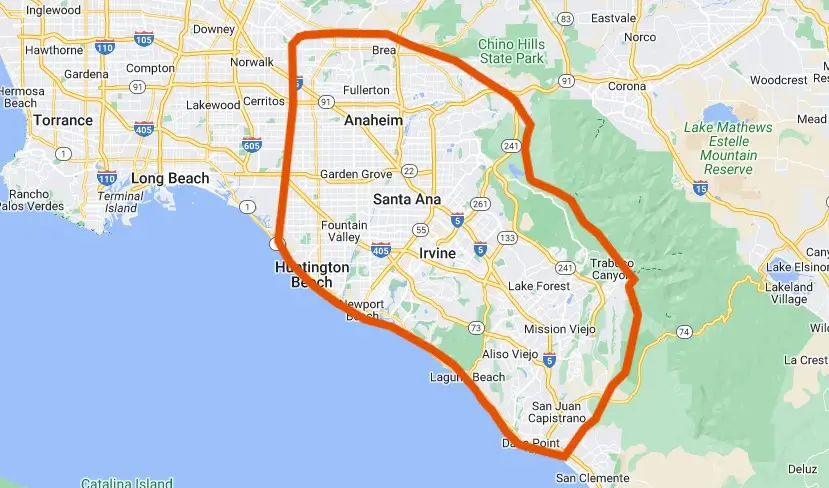

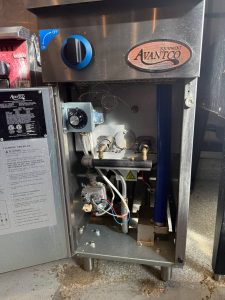
A Tustin restaurant called us with a gas floor fryer that would not light. The gas valve coils had worn out and the thermocouple had failed, so the burner never got a safe ignition signal. Replacing both parts and recalibrating the unit put the fryer back into full service the same day.
For a busy kitchen, a fryer that will not light is not an inconvenience, it is a stopped production line. Half the menu usually runs through that one unit. When this Tustin restaurant called, they had already lost a lunch service and needed the fryer working before dinner.
The symptom was straightforward: the pilot would not stay lit, and the main burner never came on. Staff had tried relighting it several times with no result.
What was wrong with this gas fryer?
The fault was in the gas valve assembly. The coils on the valve had worn to the point where they no longer held the valve open reliably, so gas flow was cutting out during ignition.
The thermocouple was the second half of the problem. That is the safety sensor that tells the gas valve a flame is actually present. A weak or failed thermocouple sends no signal, and the valve shuts the gas off as a safety measure. From the operator’s side this looks identical to a fryer that simply will not light, which is why guessing at this repair wastes time.
Two failing components in the same circuit is common on commercial fryers that run long hours every day. Heat cycling wears the coils, and the thermocouple sits directly in the flame path.
How did we fix it?
We replaced the coils on the gas valve so the valve holds open properly during the ignition sequence, and installed a new thermocouple so the safety circuit correctly confirms the flame.
After the parts went in, we ran a full maintenance pass and recalibrated the unit. Calibration matters on a fryer: an uncalibrated thermostat either runs the oil too cool, which produces greasy food, or too hot, which burns oil faster and costs the kitchen money in replacement oil.
The fryer came back into service the same visit and has been running normally since.
What restaurant owners should watch for
A pilot that needs relighting more than once is an early warning, not a quirk. It usually means the thermocouple is on its way out, and catching it then is a much smaller job than an emergency call mid-service.
Uneven cooking times across batches often point to a calibration problem rather than a burner fault. If food that used to take three minutes now takes five, have the thermostat checked before assuming the burner is failing.
Commercial gas equipment is not a DIY repair. The gas valve, thermocouple and burner are part of a safety system, and working on them without the right training risks a gas leak. This is one to hand to a technician.
FAQ
Why won’t my commercial gas fryer stay lit?
The most common cause is a failed thermocouple. That sensor confirms to the gas valve that a flame is burning, and when it stops sending a signal the valve closes the gas as a safety measure. Worn gas valve coils produce the same symptom, which is why both should be tested together rather than replacing one and hoping.
How long does a commercial fryer repair take?
When the fault is in the ignition system and the parts are on the van, most of these repairs are done in a single visit. This Tustin job, including diagnosis, both replacements and recalibration, was completed the same day the restaurant called.
Is it worth repairing a gas floor fryer or should I replace it?
Repair is almost always the better call when the failure is in the gas valve or thermocouple. Those are standard replaceable parts on a unit whose frame, tank and burner assembly are built to last years. Replacement only makes sense when the tank itself is compromised.
Related repairs and services
- Commercial appliance repair in Orange County
- Gas fryer not working: thermostat repair in Irvine
- Appliance repair in Tustin, CA
- All repair stories
Need the same job done? Call (949) 544-5550 or book online. Same-day service across Orange County.