
A Viking oven was failing to heat properly and could not hold a set temperature. Two faults were behind it: the thermostat had failed, and the temperature sensor was out of calibration. Replacing one without addressing the other would have left the oven still reading wrong.
Temperature complaints on a premium oven are worth diagnosing properly rather than guessing at. On a Viking, the cost of the parts justifies knowing which one has actually failed.
The symptoms here were both slow heating and drift once up to temperature, which is the pattern that suggests more than one component is involved.
What was wrong with this Viking oven?
The thermostat had failed. The thermostat regulates the oven’s temperature by controlling the heating element. When it malfunctions, the oven cannot reach the temperature you set, no matter how long you leave it.
The temperature sensor was out of calibration. The sensor is what reports actual cavity temperature back to the control. When its reading drifts, the oven holds the wrong temperature while insisting on the display that everything is correct.
The combination is what made the fault confusing. One part could not deliver the heat, and the other was misreporting what heat there was.
How did we fix it?
We replaced the thermostat with a new unit so the oven can regulate temperature correctly, then recalibrated the temperature sensor so its readings match actual cavity temperature.
Calibration is the step that is easy to skip and the one that determines whether the repair actually solves the customer’s problem. A new thermostat working off a sensor that reads twenty degrees low will still bake badly.
After both steps the oven heated quickly and held temperature accurately.
How to tell whether your oven has a temperature problem
The cheapest diagnostic is an oven thermometer. Set the oven to 350, let it fully preheat, and check the reading after twenty minutes. A consistent gap of more than about 25 degrees means calibration or sensor trouble.
Baking is a better indicator than roasting. Cakes and bread are sensitive to a temperature that drifts during the bake, while a roast will forgive a fair amount of error.
If the oven takes far longer to preheat than it used to, that points at the heating element or the thermostat rather than calibration.
FAQ
Why won’t my Viking oven hold its temperature?
The two usual causes are a failed thermostat, which cannot regulate heat correctly, and a temperature sensor that has drifted out of calibration and misreports the actual cavity temperature. They produce similar symptoms and can occur together, as they did in this repair.
How do I know if my oven needs recalibrating?
Put an oven thermometer inside, set the oven to 350 degrees, let it preheat fully and check after twenty minutes. A consistent difference of more than about 25 degrees indicates a calibration or sensor problem worth having looked at.
Is it worth repairing a high-end oven like a Viking?
Generally yes. The thermostat and temperature sensor are replaceable components on an appliance whose cavity, door and burners are built to last decades, and on a built-in unit replacement also means cabinetry work. Repair is almost always the better economics.
Related repairs and services
- Oven and microwave repair in Irvine
- Oven not heating: control board fix in Santa Ana
- Viking appliance repair in Irvine
- All repair stories
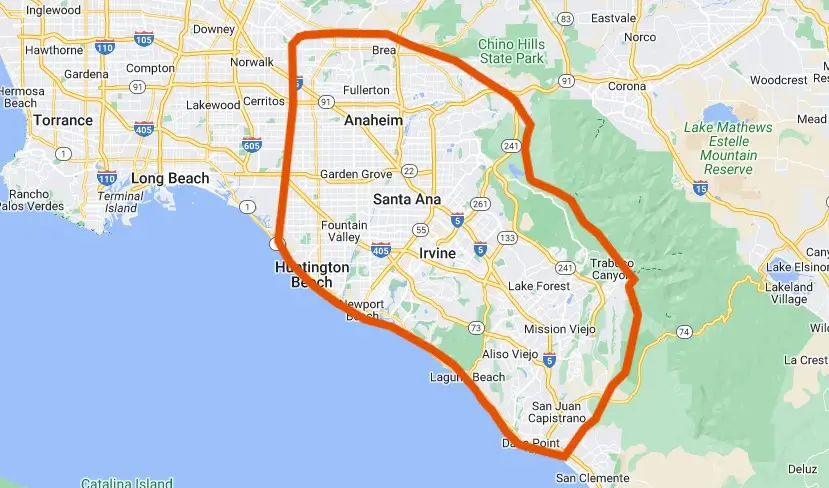
Need the same job done? Call (949) 544-5550 or book online. Same-day service across Orange County.