GE Dryer Making Loud Noise: What I Found in Lake Forest
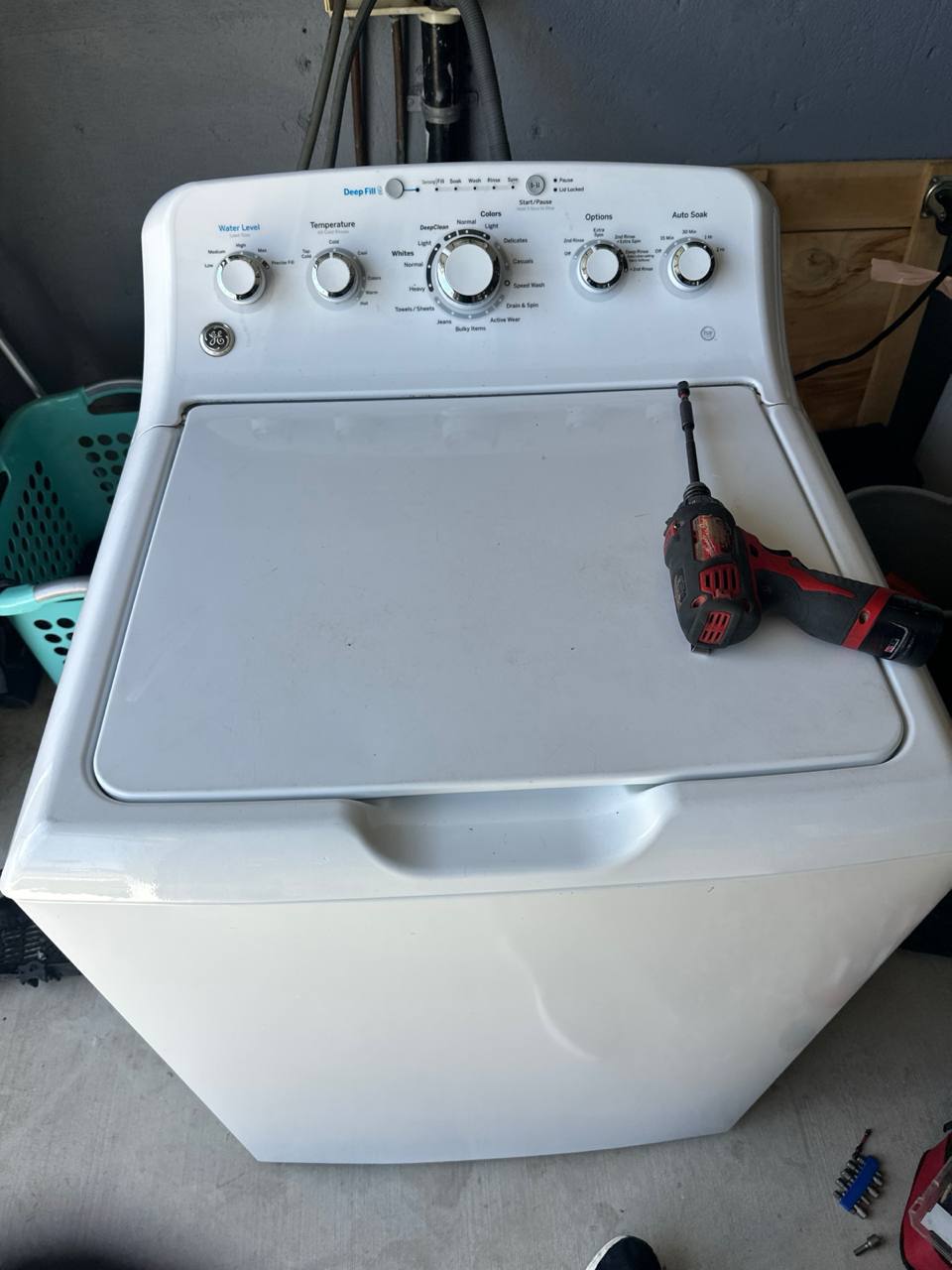
A GE dryer making loud noise while it runs usually points to worn drum support parts. On this GTD42GASJ2WW in Lake Forest, both the front and rear sleeve bearings had broken apart, so the drum had nothing clean to ride on. Replacing both bearings, including part number WE1M462, brought the machine back to normal operation.
The call came in as a noise complaint. The customer said the dryer had gotten loud during operation, loud enough that they wanted it looked at rather than lived with. The dryer still ran and still tumbled. It just sounded wrong.
What causes a GE dryer making loud noise?
Noise from a running dryer almost always comes from something that supports or turns the drum, because that is the only part of the machine moving under load. Ranked by how often I find them:
- Drum bearings. The drum sits on a bearing at the rear and a bearing surface at the front. These are wear parts. When they go, the drum starts running out of true and you get a rumble or grind that tracks with drum rotation.
- Drum glides or rollers. Same idea at a different contact point. They wear thin and let the drum drag.
- Belt and idler. A frayed belt or a tired idler pulley makes a slapping or squealing sound rather than a heavy rumble.
- Something loose in the drum or blower. A coin, a button, or a piece of hardware that got past the lint filter.
The sound itself tells you a lot. Rumbling and grinding that rises and falls with the drum points at the supports. Sharp rattling that comes and goes points at loose debris.
What it turned out to be on this job
Both bearings had come apart. On diagnosis I found the rear bearing and the front bearing broken, not just worn down, which is why the noise had gotten as loud as it did. With both failed at once, the drum was unsupported at each end and every rotation was metal working against damaged parts.
I replaced both sleeve bearings, front and rear, using part WE1M462. Doing one and leaving the other was not an option here, since both had already failed. After reassembly I ran the dryer and the noise was gone.
Bearings wear out on a schedule that depends on load and hours, not on anything the customer did. They are a consumable part in a dryer the same way brake pads are in a car.
What can you check yourself on a noisy dryer?
Start with the things that need no tools. Unplug the dryer, open the door, and feel around the inside of the drum with your hand for anything caught in the seam or lodged near the front lip. Check the lint filter housing. Pull anything out of pockets that might have gone through with the last load, since a small hard object bouncing in the drum makes a surprising amount of racket.
Then spin the drum by hand with the machine unplugged. If it feels rough, catches, or moves up and down more than it should, the supports are the place to look.
Anything past that means opening the cabinet and pulling the drum, and that is work for a technician.
FAQ
Can I keep using a dryer that is making a loud noise?
You can, but running it that way puts wear on parts that would otherwise survive. When drum supports break down, the drum is no longer held on its intended path, and other components in contact with it start taking abuse they were not designed for. The noise also tends to get worse quickly once a bearing has actually come apart rather than simply worn thin.
Is it worth repairing a noisy dryer or should I replace it?
Bearings are inexpensive parts, so the calculation usually favors repair as long as the rest of the machine is sound. What matters more than the cost of the bearing is whether the motor, drum, and controls are in good shape. If they are, replacing wear parts keeps a working machine working. If several major components are failing at once, that math changes.
How do I know if the noise is the bearing or the belt?
Bearing noise is low and heavy, a rumble or grind that comes with every drum rotation and gets louder as the load gets heavier. Belt noise is higher pitched, more of a squeal or a rhythmic slap, and it often shows up at startup rather than through the whole cycle. A belt that has failed completely stops the drum from turning at all, while a failed bearing still lets it tumble.
Need a noisy dryer looked at?
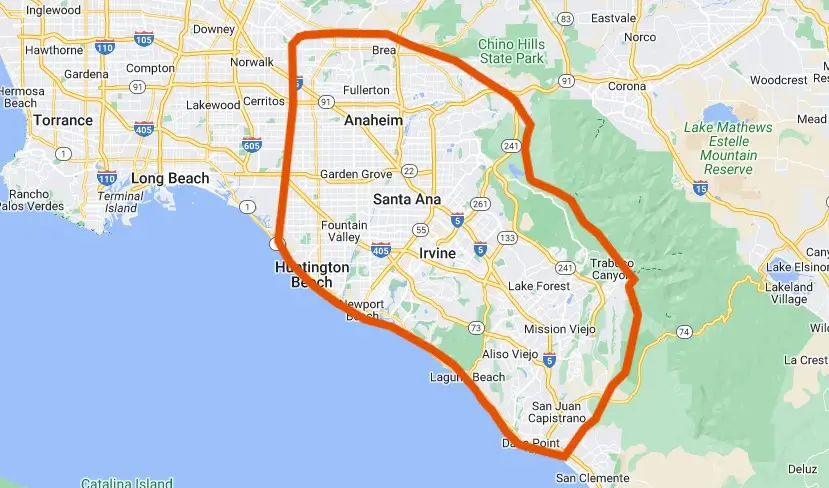
If your dryer has started rumbling or grinding in Lake Forest or the surrounding area, call us and we will diagnose it and tell you what parts it needs.